Last Updated:
Healthy competition among students can positively motivate but concerns arise when children begin to define themselves only by their grades and ranks.



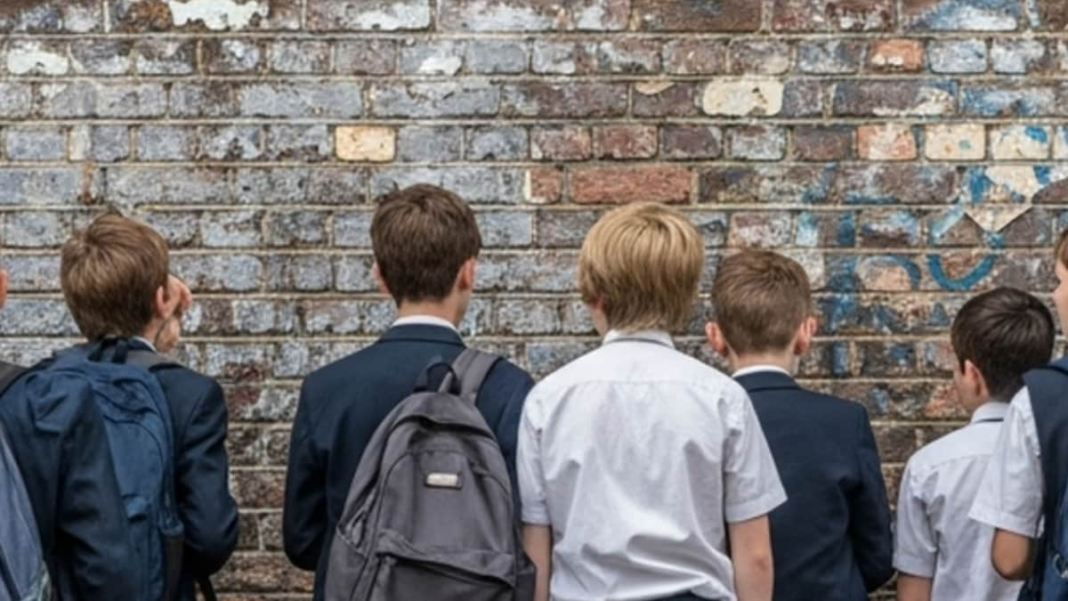
Mental wellbeing isn’t separate from academic success but is a key driver that enables it. (AI-generated image used for representational purposes only)
Academic performance for a long time has been the primary measure of student success with respect to their intelligence and capabilities. As the demands of the modern world, along with societal expectations on students and the need for schools to distinguish their academic offerings, evolve, the conventional criteria for student evaluation for success in their lives are becoming obsolete.
Sanjay Desai, Author, Entrepreneur, Founder and CEO of ConsciousLeap, says, “Today, the true marker of student success is not just in their academic qualifications but is also in conjunction with their emotional well-being. The evolution of student performance metrics now extends far beyond academics, embracing socio-emotional well-being essentials, adaptability, resilience and outcomes such as social engagement, building success skills and stability.”
The Hidden Cost of Competition: Impact on Mental Health
Healthy competition among students can positively motivate them to achieve better academic results. However, concerns arise when children begin to define themselves only by their grades and ranks. This narrow identification increases the risk of negative subconscious emotions remaining unchecked, leading to a sharp rise in stress that can gradually undermine a child’s confidence and self-esteem.
Sanjay Desai says, “When children begint to associate their value and strengths solely with good grades, their true potential is assessed in a very limited way. Innate talents, curiosity, effort, and creativity are equally important, yet often overlooked, resulting in a loss of internal motivation and creativity—both of which are essential for continuous learning and long-term happiness.”
Emotional Resilience: The Missing Piece of the Puzzle in Education
The academic landscape itself has grown relentlessly demanding, fueling unprecedented student stress. Procrastination and burn out are rampant, underscoring how unchecked stress erodes even top performers, requiring schools to intervene with resilience training to safeguard sustainable success among students.
Building emotional resilience through safe discussion spaces, teacher enablement and through the school curriculum can equip students with the necessary tools needed to navigate emotional challenges and academic pressures.
Building emotional resilience is proven to empower young minds with the necessary mental well-being support, such as self-awareness, aligning and problem-solving skills, which will enable them to bounce back from any setback and stay steadfast into their goals.
From Performance to Personal Growth: A Holistic Approach
In today’s hyper-competitive educational landscape, schools are proactively looking to differentiate themselves to include preventive mental well-being and secure a more wholesome growth and development. Institutions successfully implementing these reforms include well-being curricula, teacher training sessions, peer monitoring and reflection exercises that foster inclusivity and help students see the power they possess with respect to their diversity. These offerings transform schools from being merely exam factories to nurturing hubs, meeting rising demands of mental health support and prioritising emotional wellbeing.
Sanjay Desai says, “When students experience psychologically safe environments, they are better able to express their thoughts and immerse themselves in academic learning without the fear of being judged.”
This is clearly reflected in reports from schools that have adopted inclusive models, which show higher levels of student engagement, more positive peer interactions, and improved academic performance. These outcomes demonstrate that mental wellbeing is not separate from academic success; rather, it is a key driver that enables and sustains it.
Empowering Children for the Future
By integrating wellbeing into the school curriculum, schools prepare children not only for examinations but also for real life. In a fast-changing world, qualities such as adaptability, collaboration, and emotional intelligence have become essential life skills. While high academic achievers may initially stand out, it is emotionally resilient students who are better equipped to navigate life’s uncertainties, adapt to change, and overcome challenges.
Ultimately, long-term success belongs not only to those with the highest scores, but to those who can think critically, empathise with others, and demonstrate the grit needed to persevere through difficult times.
January 17, 2026, 15:35 IST